
What Are Casement Windows? Benefits, Features & How They Work
Casement windows are hinged on one side and swing outward like a door, operated by a crank or lever. They seal tightly against the frame when closed, offering superior energy efficiency, full ventilation, and enhanced security compared to sliding or double-hung windows, making them a practical choice for most home types.
Choosing the right windows for your home is harder than it sounds. With so many styles, frame materials, and glazing options available, it’s easy to feel overwhelmed before you’ve even measured an opening. If you’ve come across the term “casement windows” during your research, you’re already looking in the right direction.
At S&L Glass Works, we install casement windows for homeowners who want a combination of performance, security, and clean design. We’ve guided hundreds of clients through the selection and installation process, and we’ve seen firsthand how the right window transforms a room. This guide covers everything you need to know. What casement windows are, how they work, how they compare to other styles, and what to expect when you hire a professional to install them.
What Are Casement Windows?
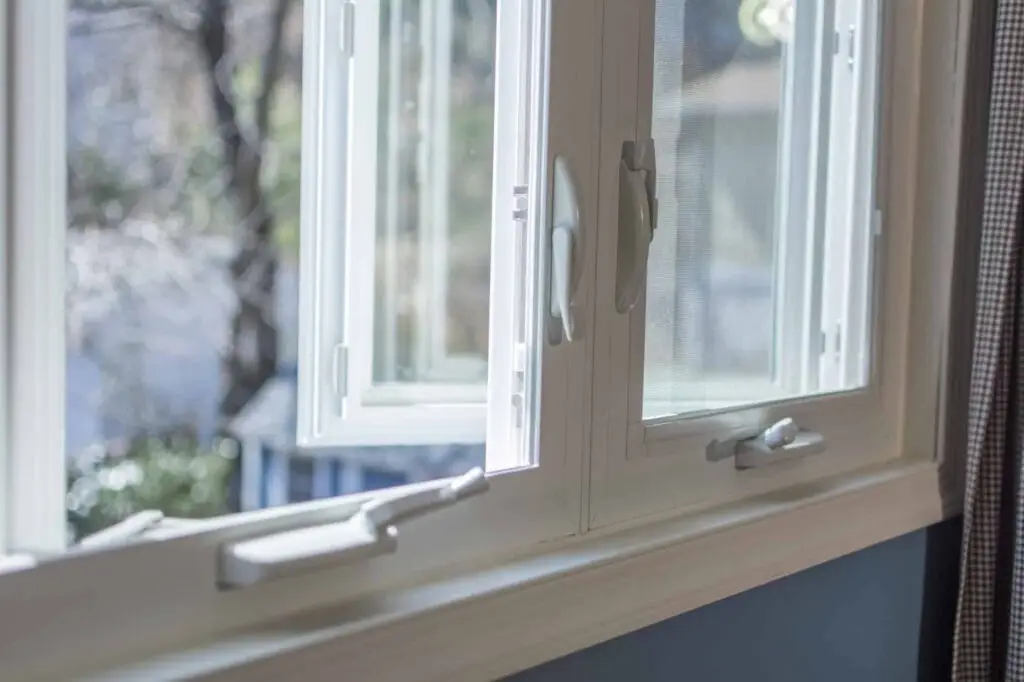
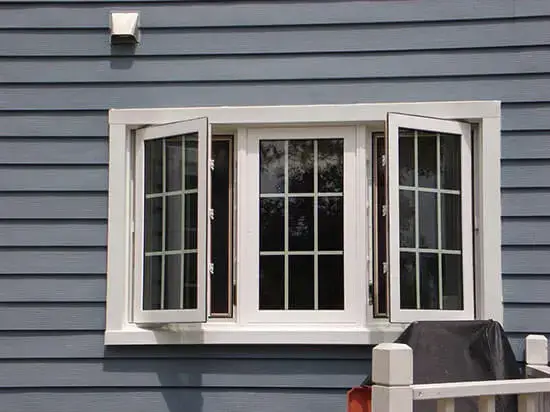
A casement window is a window attached to its frame by one or more hinges along one side. Unlike sash windows that slide up and down, or sliding windows that move horizontally, a casement swings outward—like a door—when you turn a crank, lever, or handle. That outward swing gives you full access to the opening, which matters for both ventilation and cleaning.
Casement windows have been around since at least the 14th century. According to Historic England, the Tudor layouts used in early casement designs, fixed panes combined with opening sashes, established principles that shaped English domestic architecture for centuries. The basic mechanism hasn’t changed because it doesn’t need to. What has changed is the engineering around it: modern casements incorporate multi-point locking systems, high-performance glazing, and weatherstripping materials that were unavailable even a generation ago.
Today, casement windows come in three main configurations:
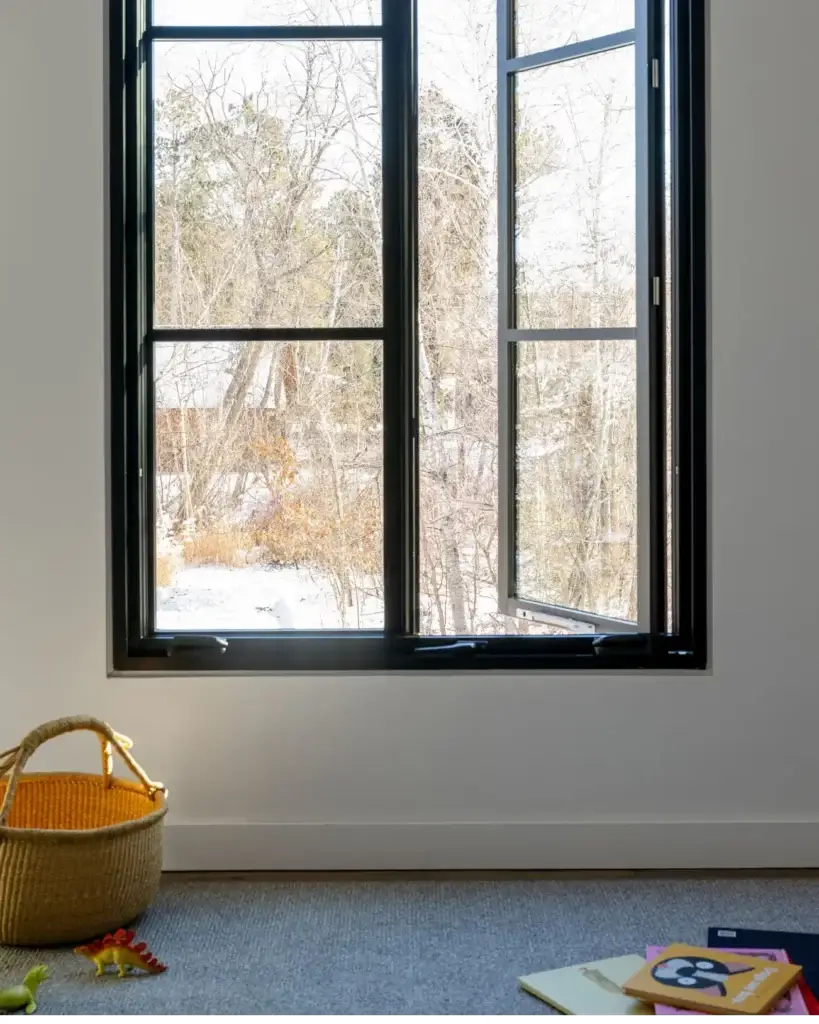
- Single casement: One sash hinged on the left or right. Works well in narrower openings.
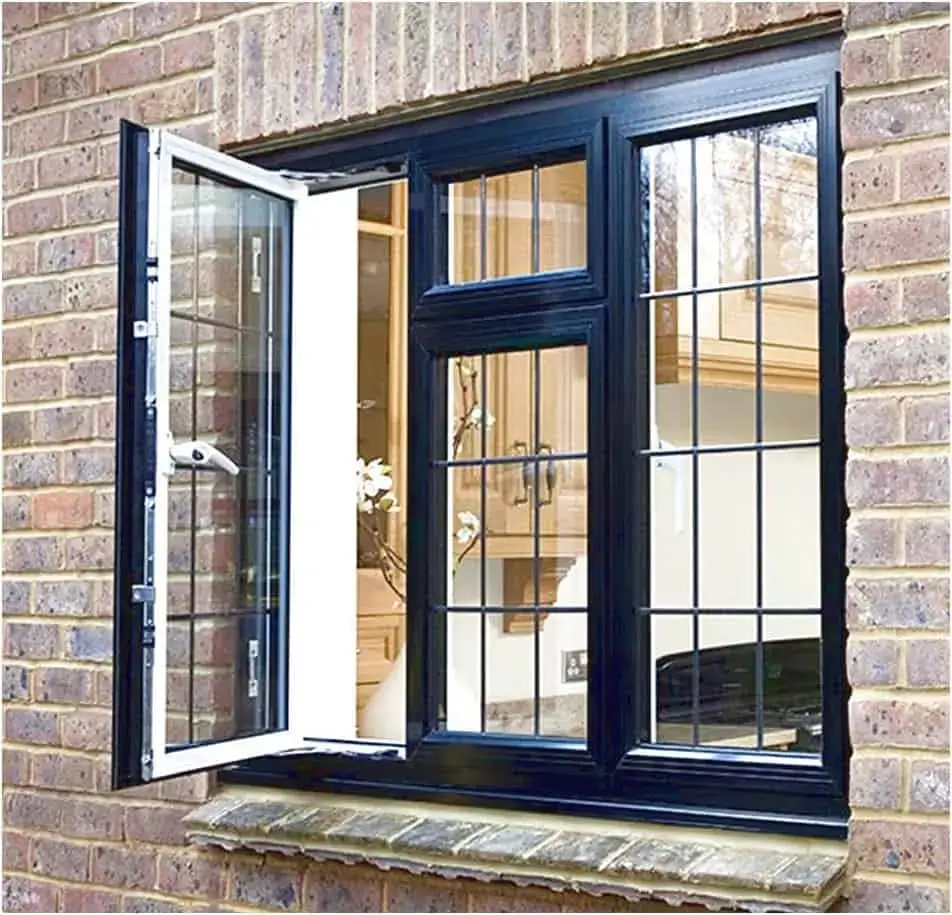
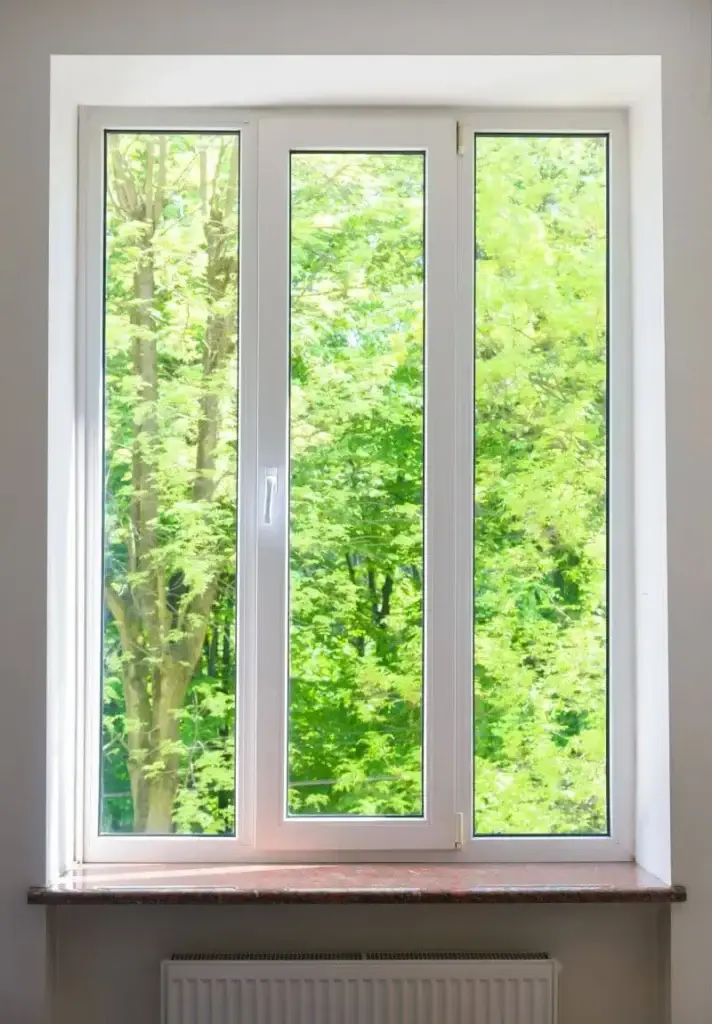
- Double casement (French casement): Two sashes meeting at the center with no fixed mullion between them. When both open, the entire frame becomes an unobstructed opening.
- Push-out casement: Opens by pushing the sash rather than turning a crank. Common in traditional and period-style properties.
Why Are Casement Windows Worth Considering?
Do casement windows really improve energy efficiency?
Yes! and the reason comes down to how they seal. When you close and lock a casement window, the locking mechanism pulls the sash firmly against the frame, compressing the weatherstripping around the entire perimeter. That creates an airtight seal with no gaps. Double-glazed casement windows typically achieve U-values between 1.2 and 1.4 W/m²K; triple-glazed units can reach below 1.0 W/m²K. By contrast, sliding and double-hung windows rely on brush seals or meeting rails that allow more air infiltration by design.
The practical outcome: reduced drafts, more consistent indoor temperatures, and lower strain on your heating and cooling system.
How do casement windows handle ventilation?
Most casement windows open completely, meaning the entire window opening becomes an airflow channel. With a typical sliding window, one pane always overlaps the other—so you’re working with roughly half the available opening at any time. Casements don’t have that limitation. Open them fully in kitchens and bathrooms, and they clear moisture, heat, and odors far more effectively than a sliding or double-hung alternative.
Are casement windows secure?
Modern casement windows are among the most secure residential window options available. The hook-shaped locks embedded within the frame are harder to manipulate from the outside than the latches used on double-hung windows. When upgraded to multi-point locking systems hardware that engages bolts at two, three, or five points around the frame perimeter simultaneously, casement windows can meet PAS 24 security certification, the standard required by many insurers and by Building Regulations in new construction and conversions.
What about design flexibility?
Casement windows work across a wide range of architectural styles. Strip away the glazing bars and use slim profiles for a contemporary home; add six-pane sashes and traditional ironmongery for a period cottage. They fit narrow vertical openings where sliding windows wouldn’t work, and wide openings when paired as French casements. That adaptability is a genuine advantage when you’re matching windows to an existing home.
How long do casement windows last?
With professional installation and basic maintenance—lubricating the hinges and crank mechanism once a year, checking the seals periodically—casement windows last decades. Vinyl frames resist moisture without painting. Wood frames require more upkeep but offer natural insulation and can be repainted or refinished. The fewer moving parts compared to double-hung windows means fewer mechanical failure points over time.
How Do Casement Windows Work?
The operating mechanism is straightforward. Turning the crank or handle rotates a worm gear that drives the window arm, swinging the sash outward on its hinges. Most cranks allow the window to open to a full 90-degree angle. Some models use friction-stay hinges instead—hardware that holds the sash at any position without a separate stay bar, which also allows the sash to be reversed inward for cleaning exterior glass from inside the home.
The seal performs because of the compression design. Every time you lock a casement, the locking points draw the sash into the frame, loading the weatherstrip uniformly. Sliding windows can’t replicate this because their seals must stay flexible enough to allow horizontal movement—that flexibility is exactly what allows air to pass through.
Installation requires precise measurement of the rough opening, a level frame, and correct sill angle to ensure the window drains properly when open. Gaps between the window unit and the wall cavity must be insulated and sealed with appropriate materials before trim is applied. Done incorrectly, even a high-quality window will underperform—which is the primary reason professional installation matters.
Casement Windows vs. Other Window Types
Casement vs. double-hung: Double-hung windows have two sashes that slide vertically within the frame, meeting in the middle. That meeting rail is a consistent source of air leakage. Double-hung windows are easier to clean (both sashes tilt inward on most modern models) and don’t project outward when open, which matters near walkways and patios. Choose casement windows if energy efficiency and ventilation are your priorities; consider double-hung if the exterior obstruction of an open casement is a practical problem for your space.
Casement vs. sliding: Sliding windows suit wide horizontal openings. They’re low-profile and don’t project outward. However, sliding windows provide ventilation through only half the opening at a time, and their flexible track seals allow more air infiltration than a compressed casement seal. Choose casement windows if maximum ventilation and energy performance matter more than a low-profile exterior appearance.
When casement windows are the right call: Tall, narrow openings. Rooms where airflow and insulation are critical—kitchens, bedrooms, home offices. Hard-to-reach locations like above a kitchen sink, where a crank is easier than lifting a sash. Properties where a tight seal directly affects comfort and utility costs.

Why Hire S&L Glass Works for Casement Window Installation?
Installation quality determines how well any window performs—regardless of the brand or price point. A window that isn’t level, isn’t properly sealed at the cavity, or isn’t fitted with correctly adjusted hardware will leak air, fog up, and develop operational problems within a few years.
At S&L Glass Works, we measure every opening before ordering materials, inspect the frame condition before installation begins, and seal and insulate every cavity to current standards. We source casement windows in a range of frame materials and glazing specifications, so we can match the right product to your home’s style, climate exposure, and budget. If you have questions about which configuration suits a specific room, we’ll give you a straight answer—not a sales pitch.
We work on single windows, full-house replacement projects, and new construction. Every installation includes a walkthrough so you understand how to operate, maintain, and clean your new windows.
The Smart Move: Invest in the Right Windows Now
Casement windows deliver measurable improvements to ventilation, energy performance, and security. They’re a durable, versatile choice for most residential applications and they’ve been proving that for over six hundred years.
If you’re replacing aging windows or selecting windows for a new build, contact S&L Glass Works to schedule a consultation. We’ll assess your openings, walk you through your options, and give you an honest recommendation. Call us today or fill out our online contact form to get started.
See What Our Clients Are Saying
4.9
39 Reviews

S&L Glass Works, Inc.
662 Lincoln Highway
Fairless Hills, PA 19030
215-428-4010 Fairless Hills Area
215-766-9300 Plumstead Area
(1-877-51-GLASS)
Hours:
Mon-Fri: 8:00am-5:00pm
Saturday: 8:00am-1:00pm
Sunday: Closed
Ready to Upgrade Your Home?
Don’t wait any longer to experience the benefits of new windows. Fill out the form below to schedule your free consultation and take the first step toward a better home.
Frequently Asked Questions About Foggy Windows
What is the main difference between a casement window and a double-hung window?
A casement window is hinged on one side and opens outward by turning a crank or handle. A double-hung window has two sashes that slide vertically within a fixed frame. Casement windows seal more tightly when closed because the locking mechanism compresses the sash against the frame. Double-hung windows are easier to clean from inside the home and don’t project outward when open.
Are casement windows harder to maintain than other window types?
No. Casement windows have fewer moving parts than sliding or double-hung windows, which reduces the number of components that can wear out. Annual maintenance involves lubricating the hinges and crank mechanism and inspecting the perimeter seals. Most manufacturers recommend checking weatherstripping every few years and replacing it when compression decreases.
Can casement windows be installed in any room?
Casement windows work in most rooms but are especially well-suited for kitchens, bedrooms, and bathrooms where ventilation is important. They’re also a practical choice above countertops or sinks where reaching to open a sliding or double-hung window would be awkward. The one limitation: if the window is adjacent to a walkway, deck, or patio, the outward swing of an open casement may be an obstruction.
What glass options are available for casement windows?
The most common options are double glazing and triple glazing, both of which use inert gas fills—typically argon or krypton—between panes to reduce heat transfer. Low-emissivity (Low-E) coatings are applied to one or more glass surfaces to reflect infrared heat while allowing visible light through. For most climates, double-glazed casements with a Low-E coating provide an effective balance of performance and cost.
Does professional installation actually make a difference for casement windows?
Yes. The window unit itself accounts for only part of the final performance. If the rough opening isn’t properly prepared, the cavity isn’t insulated, or the unit isn’t level, the window will allow air infiltration regardless of its rated U-value. Professional installation also ensures the crank mechanism and locking hardware are correctly adjusted so the window seals fully when closed.
How do I know if my existing windows should be repaired or replaced?
If the frame is structurally sound—no rot, warping, or significant water damage—and the operational hardware is the main issue, repair is often sufficient. If the frame is compromised, the glazing seals have failed (indicated by fogging between panes), or the window is drafty despite hardware adjustments, replacement is the more cost-effective long-term choice. Contact S&L Glass Works for an assessment if you’re unsure.