
How to Keep Your Glass Shower Clean and Sparkling
There is nothing quite like the sleek, modern elegance of a glass shower door. It opens up a bathroom, reflects light, and makes the space feel larger and more luxurious. But that elegance comes with a price: maintenance. If you’ve ever stepped into your shower only to be greeted by cloudy streaks, stubborn water spots, or a hazy film, you know the frustration well. That film is usually a combination of hard water deposits and soap scum, a sticky mixture of body oils, soap residue, and minerals that bonds to the glass and refuses to let go.
Keeping your glass shower doors pristine doesn’t have to be a daily battle or a weekend-long project. With the right techniques and a few preventative measures, you can restore that brand-new shine and keep it that way with minimal effort. Whether you prefer powerful commercial cleaners or eco-friendly DIY solutions, this guide will walk you through exactly how to deep clean your glass shower and prevent future buildup.
Preparation: Clearing the Way for a Deep Clean
Before you start scrubbing, you need to set the stage. Trying to clean a glass door while dodging shampoo bottles and navigating around a razor on a ledge is a recipe for frustration.
Start by removing everything from the shower. This includes:
- Shampoo, conditioner, and body wash bottles
- Loofahs, sponges, and washcloths
- Razors and shaving cream
- Shower mats (if they obstruct the door)
Take a moment to wipe down these items before setting them aside; there is no point in putting slimy bottles back into a freshly cleaned shower. Once the space is empty, give the glass a quick rinse with warm water to remove loose dust or hair. Now, you have a blank canvas ready for a deep clean.
Deep Cleaning Methods: Choosing Your Weapon
Not all soap scum is created equal, and neither are the methods to remove it. Depending on the severity of the buildup and your personal preference for chemical versus natural products, choose the method that best suits your needs.
Commercial Cleaners and Dawn Platinum Powerwash
Sometimes, you need a heavy hitter. Commercial soap scum removers found at grocery or hardware stores are chemically formulated to break down the bonds between the minerals and the glass. Always follow the specific instructions on the bottle for safety and effectiveness.
However, a surprising favorite among cleaning enthusiasts is Dawn Platinum Powerwash. While designed for dishes, its unique spray-activated foam clings to vertical surfaces like glass doors, penetrating grime effectively.
- How to use: Spray the Powerwash directly onto the dry glass. Let it sit for a few moments to break down the oils and scum, then scrub and rinse.
Natural DIY Solutions: Vinegar and Baking Soda
If you prefer to avoid harsh chemicals, your pantry holds the answer. White vinegar is acidic, making it a nightmare for alkaline mineral deposits (limescale), while baking soda acts as a gentle abrasive.
- Vinegar Spray: Mix equal parts white vinegar and water in a spray bottle. For an extra kick, heat the vinegar in the microwave before mixing—warm vinegar cuts through grease faster.
- Baking Soda Paste: For heavy buildup, make a thick paste using baking soda and a small amount of water. This is perfect for spot-treating stubborn areas where the vinegar spray isn’t quite enough.
The Magic Eraser Technique
Melamine sponges, commonly known as Magic Erasers, are excellent for glass showers. They work like ultra-fine sandpaper, lifting dirt and scum from the microscopic pores of the glass without scratching it. This method requires a bit more elbow grease but is highly effective for that final polish or for tackling specific problem spots.
The Aluminum Foil Hack
It sounds strange, but a ball of aluminum foil can be a game-changer for extremely stubborn, cloudy film that other cleaners can’t touch.
- Why it works: Aluminum foil is slightly abrasive enough to cut through the mineral deposits but, crucially, it is softer than tempered glass, meaning it won’t leave scratches if used correctly.
- How to use: Crumple a piece of foil into a loose ball. Spray the glass with water or a mild cleaner (like dish soap) to provide lubrication. Gently scrub the glass with the foil ball. You will likely feel the texture change as the smooth glass is revealed beneath the scum.
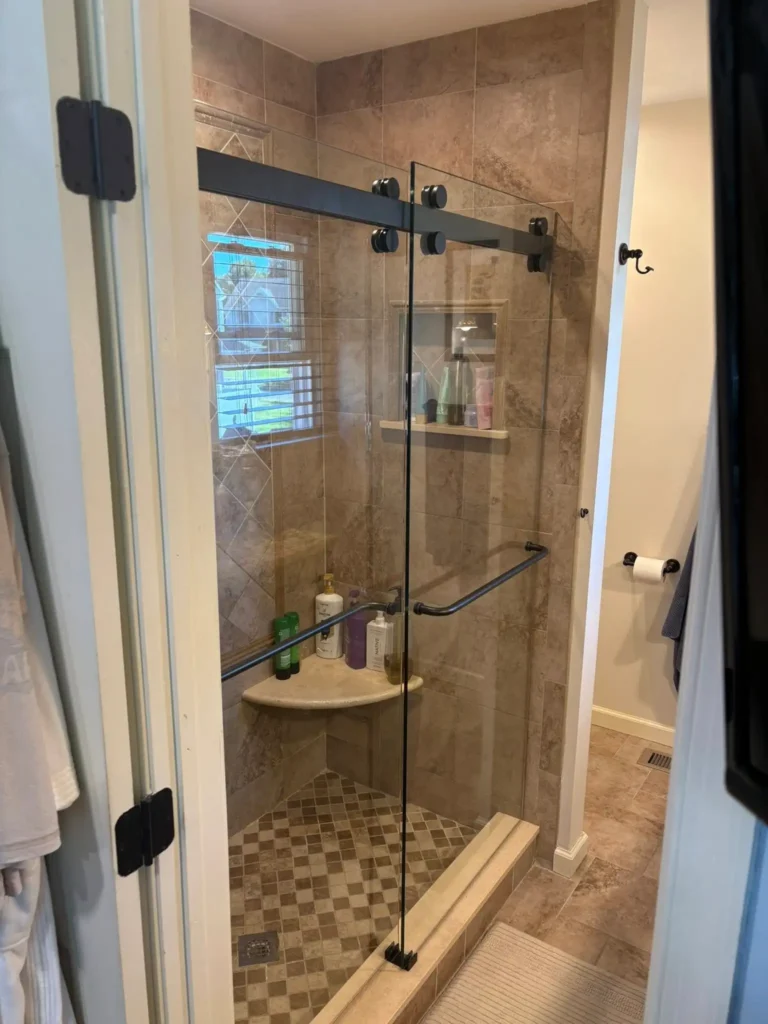

The Cleaning Process: Apply, Sit, Scrub, Rinse
Once you have selected your cleaning agent, follow this four-step process to ensure a streak-free result.
1. Apply and Saturate
Generously apply your chosen cleaner to the glass. Start from the top and work your way down to ensure full coverage. Do not be stingy; the glass needs to be wet enough for the chemicals (natural or synthetic) to do their job.
2. Let it Sit
This is the most critical step that many people skip. Do not wipe it off immediately. Allow the cleaner to sit on the surface for at least 5 to 15 minutes. This dwell time allows the acids or surfactants to dissolve the magnesium and calcium deposits holding the soap scum together.
3. Scrub Gently
Using a non-abrasive sponge, a soft brush, or a microfiber cloth, scrub the glass in circular motions. Focus on the bottom third of the door, as this is usually where water splashes and settles the most, leading to the heaviest buildup. If you are using the baking soda paste, this is the time to apply it to those tough spots.
4. Rinse Thoroughly
Using a handheld showerhead or a bucket, rinse the glass with warm water. Ensure all traces of cleaning solution and loosened grime are washed away. If you leave cleaner behind, it can dry into a streak that looks just as bad as the original mess.
Finishing Touches: Achieving a Streak-Free Shine
You have removed the grime, but you aren’t done yet. Water contains minerals, and if you let the rinse water air-dry on the glass, you will end up with new water spots immediately.
To get that professional, sparkling finish, dry the glass immediately. A squeegee is the best tool for this, but a clean microfiber towel works well too.
If you still see streaks after drying, grab your white vinegar spray again. Lightly mist the dry glass and buff it with a dry, lint-free microfiber cloth. The vinegar neutralizes any remaining soap residue and leaves the glass crystal clear.
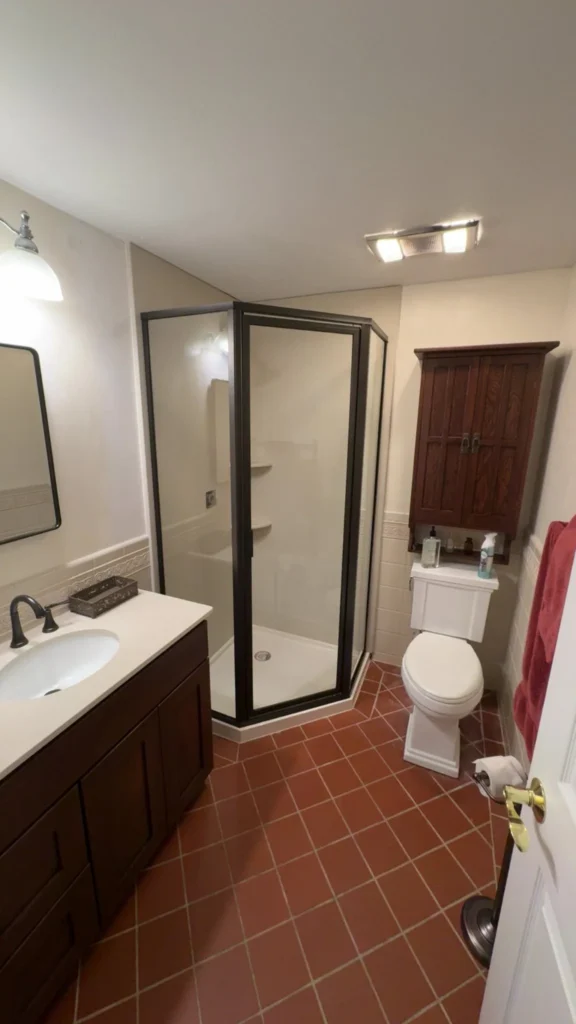
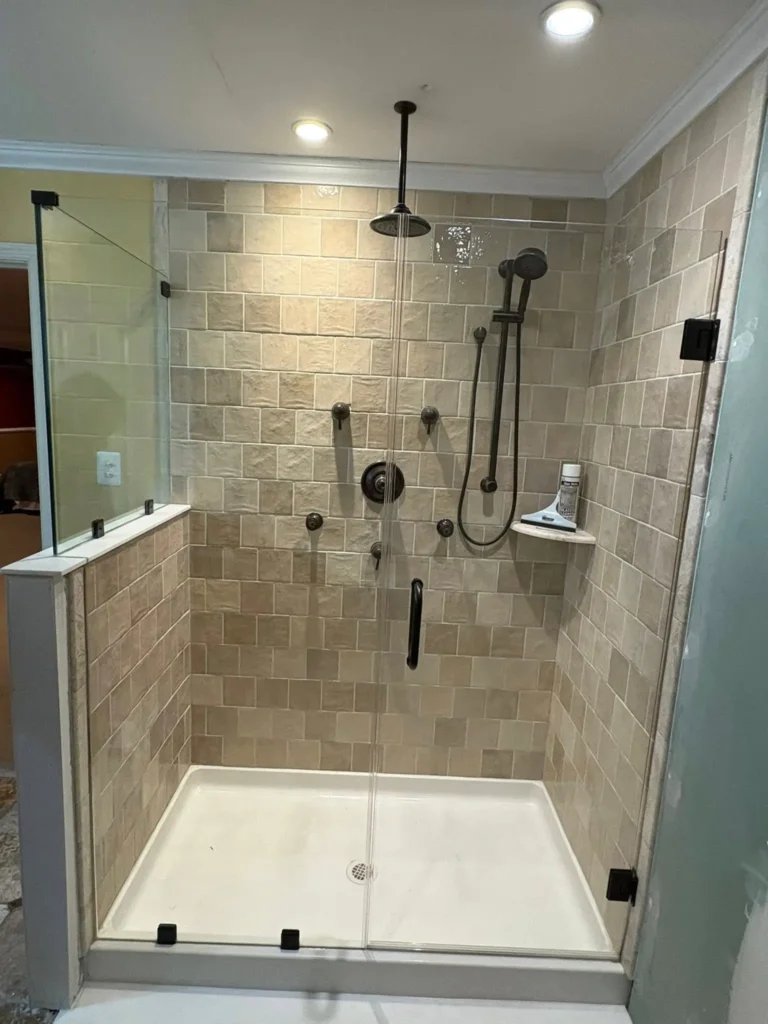
Preventative Maintenance: The Daily Habits That Matter
The secret to never having to deep clean for hours again? Prevention. By incorporating small habits into your daily routine, you can stop soap scum from bonding to the glass in the first place.
The Power of the Squeegee
Keep a squeegee in the shower. After every use, take 30 seconds to squeegee the water off the door. This single action removes 90% of the water and soap residue before it has a chance to evaporate and leave deposits behind.
Ventilation is Key
Mold, mildew, and grime thrive in moist environments. Leave the shower door open after use to allow air to circulate. Turn on your bathroom exhaust fan during your shower and leave it running for 20 minutes afterward to lower the humidity in the room.
Surface Protection
Consider applying a water-repellent treatment (like Rain-X designed for shower doors) to the glass. These products create a hydrophobic barrier that causes water to bead up and roll off, making it much harder for grime to stick.
Conclusion
A sparkling glass shower door transforms the look of your bathroom, turning it from a cluttered utility space into a relaxing sanctuary. While the buildup of soap scum and hard water stains is inevitable, it doesn’t have to be permanent. By choosing the right deep cleaning method—whether it’s a trusted commercial product or a simple vinegar solution—and sticking to a routine, you can maintain that clarity with ease.
Don’t let cloudy glass diminish the beauty of your home. Equip your bathroom with a squeegee, commit to a quick daily wipe-down, and enjoy the pristine, spa-like experience you deserve every single day.