
How to Choose the Perfect Windows for Your Home
Drafty rooms, rising energy bills, and foggy glass often point to one common culprit: failing windows. You suddenly realize your home is losing heat, and your HVAC system is working overtime to keep you comfortable. Upgrading your windows solves these problems, improving your daily comfort while protecting your home from the elements.
Selecting the right replacement windows can feel overwhelming with so many styles, materials, and features on the market. You need options that match your home’s architecture, fit your budget, and provide long-lasting performance. A clear grasp of the available window types prevents unpleasant surprises and helps you make a confident investment.
At S&L Glass Works, we have been helping homeowners across Bucks County navigate these decisions since 1986. We put together this practical guide to walk you through the most popular window styles, materials, and costs. Read on to discover exactly what you need to know to choose the best windows for your specific needs.
Understanding Different Window Types
Every room in your home serves a different purpose, meaning the windows you choose should match how you use the space. Here is a breakdown of the most popular window styles, how they operate, and where they perform best.
Single-Hung Windows
Single-hung windows feature a classic design where the bottom sash slides upward to open, while the top sash remains completely stationary.
Because they have fewer moving parts, they are highly reliable and easy to maintain. This affordable design restricts air leakage well, making it a practical choice for bedrooms, hallways, and historic home styles.
Pro tip: If you own rental properties or are working with a strict budget, single-hung windows offer a durable, budget-friendly solution that still looks great.
Double-Hung Windows
Double-hung windows look identical to single-hung models, but both the top and bottom sashes move independently.
This dual-operation provides excellent airflow control. You can open the top sash to let warm air escape while opening the bottom sash to pull in a cool breeze. Many double-hung models also feature sashes that tilt inward, allowing you to clean the exterior glass right from your living room. They are perfect for family rooms and multi-story homes.
Pro tip: This style is ideal for homes with kids or pets. You can open the top sash for ventilation while keeping the bottom sash closed and secure.
Casement Windows
Casement windows hinge at the side and open outward like a door using a hand crank.
When closed, the sash presses firmly against the frame to create an airtight seal. This makes casement windows one of the most energy-efficient operable windows available. They provide superior insulation and noise control. Because they crank open easily with one hand, they are perfect for hard-to-reach areas like above kitchen sinks or in tight bathroom corners.
Pro tip: Casement windows work exceptionally well in windy areas. The outward-opening sash actually catches passing breezes and directs fresh air into your home.
Awning Windows
Awning windows hinge at the top and open outward from the bottom, creating a small protective roof over the opening.
This design allows you to keep your windows open for ventilation even during a light rain shower. They are frequently installed higher up on walls for privacy or placed above and below larger picture windows to encourage airflow.
Sliding (Gliding) Windows
Sliding windows operate horizontally along a track, with one sash gliding smoothly past the other.
These windows require very little effort to open and involve minimal maintenance. Because they are often wider than they are tall, they offer expansive viewing areas and let in abundant natural light. Sliding windows are an excellent match for living rooms, sunrooms, and basements.
Pro tip: If your home faces a busy street, pair your sliding windows with triple-pane glass to significantly reduce outside noise.
Picture Windows
Picture windows are large, fixed panes of glass that do not open.
Because they have no operable parts, they offer the highest level of energy efficiency and the absolute maximum amount of natural light. They are designed to frame beautiful outdoor views and serve as striking focal points in living rooms, entryways, and feature walls.
Pro tip: Strategically placing picture windows in dark areas of your home improves natural light and helps lower your daily heating and cooling costs.
Bay and Bow Windows
Bay and bow windows are multi-panel configurations that physically extend outward from your home’s exterior walls.
A bay window typically consists of a large central picture window flanked by two angled, operable windows. A bow window uses four or more panels to create a gentle, sweeping curve. Both styles add valuable interior space, brighten up rooms, and increase your overall home value. They are stunning additions to living rooms, dining rooms, and cozy reading nooks.
Pro tip: Add an insulated seatboard to your bay or bow window to create a comfortable, energy-efficient window seat.
Specialty and Architectural Windows
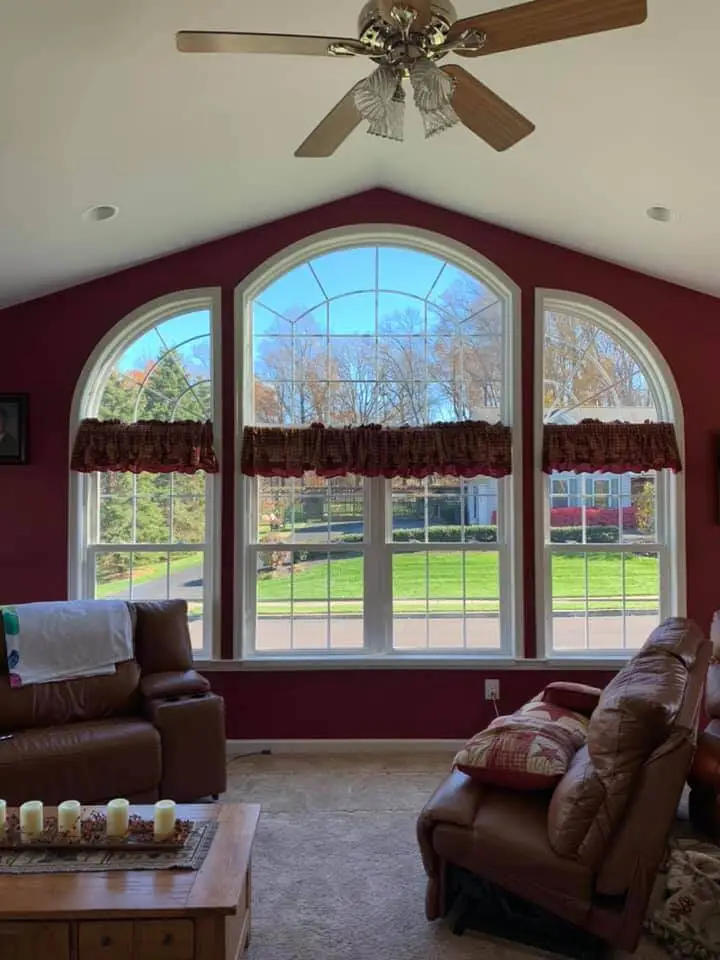
Specialty windows are fixed windows manufactured in unique shapes, such as half-circles, octagons, or triangles.
They add distinct architectural character and visual interest to your property. You will often see them installed high up on vaulted ceilings or above traditional entry doors to let in extra daylight.
Pro tip: Adding a custom-shaped window to your home’s front facade is a highly effective way to elevate your curb appeal.
Other Functional Types
If you have a basement, consider hopper windows. They hinge at the bottom and tilt inward from the top, providing necessary ventilation for tight, low-level spaces. For outdoor entertaining, pass-through windows slide open over a kitchen counter, creating a convenient serving area between your indoor kitchen and outdoor patio.
Materials and Customization Options
The material framing your glass plays a massive role in your window’s durability, maintenance needs, and insulation.
- Vinyl: A highly popular, affordable option that resists moisture and requires almost no maintenance. It provides excellent energy efficiency but cannot be painted.
- Wood: Offers unmatched classic beauty and natural insulation. Wood frames require regular painting or staining to protect against rot and weather damage.
- Fiberglass: Exceptionally strong and durable. Fiberglass expands and contracts at the same rate as glass, meaning the seals stay tight. It can also be painted to match your home’s evolving exterior.
Fibrex®
- Composite: A proprietary material that blends wood fibers and thermoplastic polymer. It is twice as strong as standard vinyl, requires little maintenance, and mimics the rich look of real wood.
Once you select your material, you can customize your windows with specific frame finishes, decorative grilles, and specialized hardware locks that match your home’s interior hardware.
Energy Efficiency and Modern Features
Modern windows do heavy lifting to keep your home comfortable year-round. Pay attention to the following features to get the best performance out of your new glass.
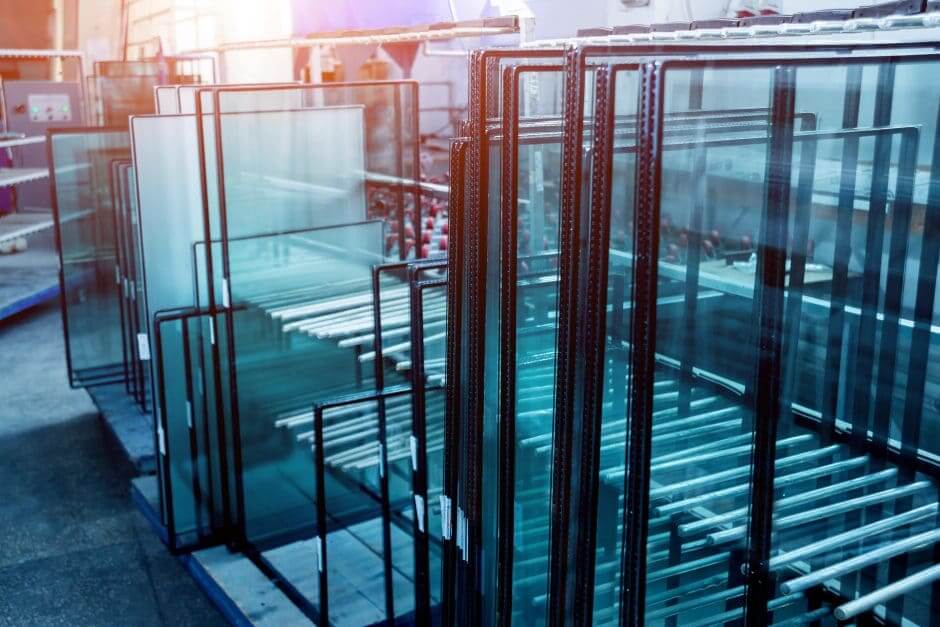
Double-pane insulated glass: Two panes of glass separated by a small spacer create an insulating barrier. The space is often filled with a dense, non-toxic gas like argon, which slows the transfer of heat.
Low-E coatings: Low-emissivity (Low-E) coatings are microscopically thin metallic layers applied to the glass. They reflect interior heat back inside during the winter and bounce solar heat away during the summer.
Enhanced noise reduction: Upgrading to triple-pane glass or using laminated glass blocks significantly more street traffic and neighborhood noise.
If maximum energy efficiency is your top priority, casement and awning windows perform the best out of all operable styles due to their tight, compression-style seals.
Cost Considerations
Window replacement costs vary widely based on several specific factors. The overall quality of the material, the depth and profile of the frame, the specific manufacturer, and the energy performance features all impact your final price.
To help you budget, here are general price ranges you can expect for common window styles as of 2025 and 2026 (excluding tax and installation):
- Single-Hung: $150 to $400 per window.
- Double-Hung: $250 to $800 per window.
- Awning: $477 to $1,107 per window.
- Casement: $400 to $2,400 per window, depending heavily on size and materials.
- Bay and Bow: Often starting around $1,300, but frequently ranging between $2,000 and $6,000+ due to the structural framing and roofing required.
Take the Next Step Toward Better Windows
Replacing your windows is a major home improvement project, but it does not have to be a stressful one. By understanding the different styles, materials, and energy features available, you can make informed choices that cut your heating bills, secure your home, and improve your daily comfort.
Take a few moments to walk through your home and evaluate what each room needs. Are you looking for better airflow in the kitchen? Do you want an unobstructed view in the living room? Knowing your goals will make the selection process simple and straightforward.
When you are ready to explore your options, contact the friendly professionals here at S&L Glass Works. We pride ourselves on honesty, integrity, and providing Bucks County residents with the highest quality residential glass services. Give us a call today to discuss your project and get a straightforward, accurate quote.
