
Shattered Glass: Does Insurance Cover Broken Windows?
Finding a broken window in your home brings an immediate wave of stress. You suddenly have to deal with shattered glass, a drafty room, and compromised home security. Once the initial shock passes, a pressing financial question usually follows. You want to know if your insurance policy will foot the bill for the repairs.
Understanding how insurance applies to window damage helps homeowners and renters make smart financial decisions. Navigating an insurance policy can feel confusing, especially when terms like deductibles and perils come into play. A clear grasp of your coverage limits prevents unpleasant surprises and helps you act quickly when accidents happen.
This guide breaks down exactly how insurance policies handle broken windows. You will learn what events trigger coverage, which situations leave you paying out of pocket, and how to handle the claims process smoothly. With the right information, you can easily restore your space and protect your budget.
What Are Insurance Covered Perils?
Insurance policies use the term “peril” to describe specific events that cause property damage. For an insurance company to pay for a window replacement, the damage must result from a covered peril listed in your policy. These events are generally sudden, accidental, and completely outside of your control.
Severe weather causes a large portion of broken window claims. High winds can blow heavy debris into your home, and severe hailstorms can easily shatter a fragile pane of glass. Standard homeowners policies typically cover these natural disasters.
Human-caused incidents also fall under covered perils. If a burglar smashes a first-floor window to gain entry to your home, your insurance will likely cover the cost of the replacement. Vandalism, fire, and explosions are other common perils that trigger coverage for window repairs.
Types of Coverage Involved
Homeowners and renters insurance policies contain several different categories of coverage. Identifying the correct category depends on where the broken window is located and who owns the property.
Dwelling Coverage
Other Structures Coverage
Many properties feature detached buildings like storage sheds, guest houses, or standalone garages. If a falling tree branch crushes a window on one of these unattached buildings, your “other structures” coverage applies. This coverage works similarly to dwelling coverage but carries its own specific financial limits.
Personal Liability Coverage
Accidents happen, and sometimes they involve other people’s property. If your child hits a baseball through a neighbor’s kitchen window, your personal liability coverage can help. This section of your policy pays for property damage you or your family members accidentally cause to others.
Renters Insurance Considerations
Renters face a slightly different situation. Because renters do not own the physical building, their landlord’s property insurance covers the actual window structure. However, if a renter accidentally breaks a window in their leased apartment, the personal liability portion of their renters insurance might cover the landlord’s repair costs. Additionally, if a broken window allows rain to ruin a renter’s furniture, the personal property coverage within the renters policy helps replace those damaged belongings.
What Is Not Covered by Home Insurance?
While insurance provides an excellent safety net, it does not pay for every type of window issue. Policies specifically exclude damage resulting from gradual deterioration or a lack of routine upkeep.
General wear and tear is a major exclusion. As windows age, their components naturally degrade. If a wooden window frame rots over time and causes the glass to crack, your insurance company will deny the claim. Maintaining the structural integrity of the home remains the resident’s responsibility.
Broken window seals fall into a similar category. Double-paned windows rely on seals to keep insulating gas inside. When these seals fail, condensation builds up and creates a foggy appearance. Because this happens slowly over years of use, insurance will not cover the replacement. You will need to rely on the manufacturer’s warranty or pay for the repair yourself.
Finally, accidental damage you cause to your own property is usually excluded. If you stumble while moving a heavy sofa and accidentally smash your own hallway window, standard policies generally will not cover the cost.
The Deductible Factor
Before you contact your insurance agent, you must evaluate your policy’s deductible. A deductible is the specific amount of money you must pay out of pocket before your insurance company starts contributing to the repair costs.
Comparing the cost of the repair to your deductible requires basic math. If a local glass specialist quotes you $400 to replace a single pane, and your policy carries a $1,000 deductible, filing a claim offers no financial benefit. You will have to pay the entire $400 yourself.
However, severe events often cause extensive damage. If a massive storm shatters five custom windows, the replacement cost might reach $4,000. In that scenario, paying your $1,000 deductible makes sense, as the insurance company will cover the remaining $3,000.
Personal liability claims carry a distinct advantage. When you accidentally break a neighbor’s window and use your liability coverage, you typically do not have to pay a deductible at all.
Steps for Filing a Broken Window Claim
Taking swift and organized action after discovering a broken window makes the insurance process much easier. Following a structured approach ensures you provide the necessary evidence for a successful claim.
Document the Damage
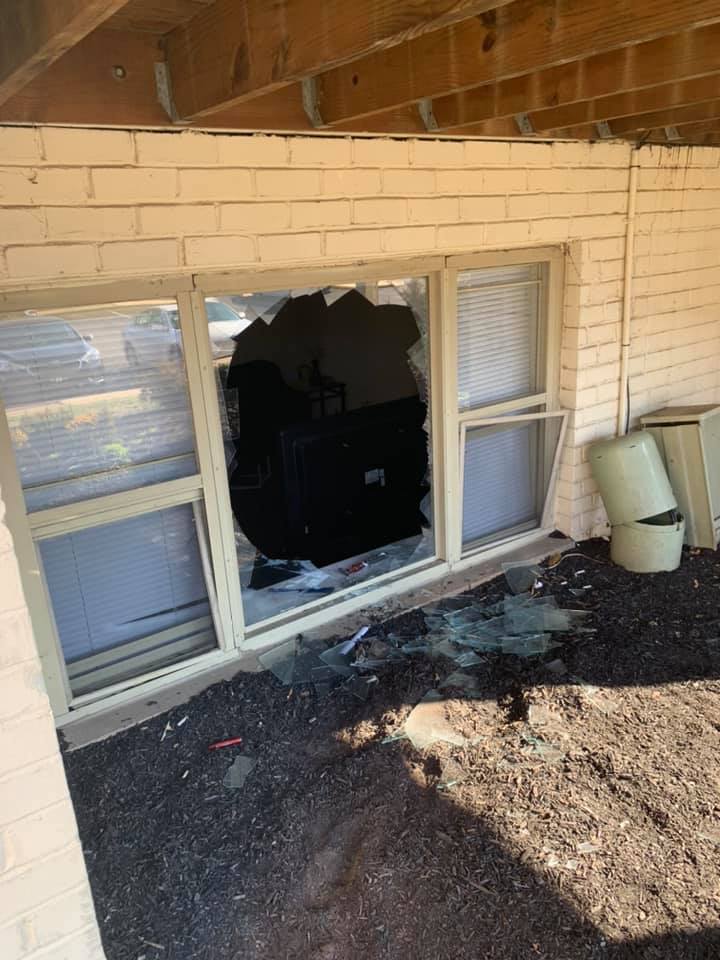
Safety always comes first. Before you clean up any glass, take several clear photographs and videos of the damage from multiple angles. Capture the shattered glass, the window frame, and the surrounding area. If weather or vandalism caused the break, document any other related property damage.
Secure the Area
Once you have your evidence, carefully remove large shards of glass wearing thick protective gloves. Vacuum the remaining fragments. Cover the empty window frame with heavy-duty plastic sheeting or plywood to keep out rain, wind, and pests. This temporary fix prevents further damage to the inside of your home.
Get a Professional Estimate
Contact a reputable, local window repair company to inspect the damage. A trained technician can provide a detailed, written estimate for the replacement. Having this document ready will help you decide if the repair costs exceed your deductible.
Contact Your Insurance Provider
Call your insurance agent to officially report the incident. Provide them with your photographs, a description of how the damage occurred, and the professional repair estimate. The company will likely assign a claims adjuster to review your case, approve the costs, and issue a payout so you can schedule the final installation.
Your Safety Net for Unexpected Broken Windows and Window Damage
A standard insurance policy provides highly effective protection against sudden window damage. Knowing how your specific coverage works gives you peace of mind when extreme weather strikes or accidents occur.
Take a few moments to review your policy documents this week. Check your deductible amount and verify your limits for dwelling and liability coverage. A proactive approach guarantees you will be ready to handle a shattered window with confidence and minimal stress.